
Metal Roof Rain Noise: Does Colorbond Get Loud During Storms?
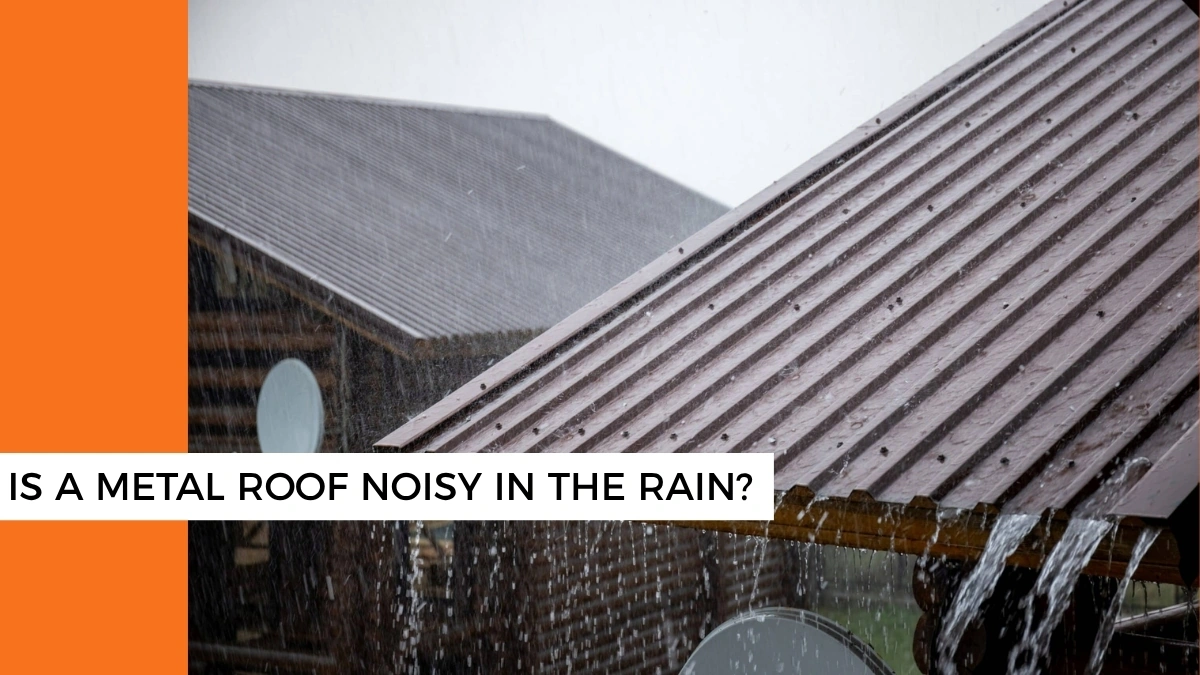
It’s one of the first questions Melbourne homeowners ask when considering a Colorbond roof, and it’s a fair one. The short answer is: it depends almost entirely on how the roof is installed, not the material itself.
A poorly installed metal roof can be noticeably loud in heavy rain. A properly installed metal roof with quality sarking and insulation is generally no louder than tiles. This post explains the difference, why it matters specifically in Melbourne, and what to ask your installer before work begins.
Why Metal Roofing Got a Reputation for Rain Noise
The noise concern is real, but it comes from a specific context that doesn’t reflect modern residential metal roofing.
Think of the corrugated iron sheds and farm buildings common across Australia for decades. They had bare metal sheeting, no insulation, no sarking, and no ceiling cavity to absorb sound. Rain on that kind of structure is loud. That experience lodged itself in the collective memory, and the association between metal roofing and rain noise stuck, even as installation standards and products improved significantly.
The same logic applies to older homes that had metal roofing installed before insulation practices became standard. Homeowners who grew up in those houses, or visited relatives who had them, formed a lasting impression. That perception made sense at the time, but it no longer reflects how modern Colorbond roofing performs when installed correctly.
How Roof Sarking and Metal Roof Insulation Reduce Rain Noise
The two main tools for managing rain noise on a metal roof are roof sarking and insulation, and they work at different points in the sound path.
Roof sarking is a reflective foil membrane installed directly beneath the metal roofing sheets before the cladding goes on. If you’re wondering what sarking is on a roof, here’s the simplest description: a membrane between the metal and the frame that does double duty on heat and sound, absorbing some of the rain’s impact energy before it resonates through the structure.

Ceiling insulation, typically bulk insulation batts in the ceiling cavity, adds a second, more significant layer of absorption. By the time sound travels through the sheeting, sarking, and roof cavity, much of the acoustic energy has already been absorbed before it reaches the living space below.
Neither layer alone is as effective as both combined.

A Correctly Installed Colorbond Roof vs. One That Isn't
A correctly installed Colorbond roof includes sarking laid flat without gaps, insulation to an appropriate R-value, and sheeting fixed so it doesn’t flex or rattle. Rain noise is minimal, no more intrusive than tiles under the same conditions.
A poorly installed metal roof – missing sarking, underspecified insulation, or incorrectly fixed sheeting can be genuinely loud. Not because Colorbond is inherently noisy, but because the installation is missing the components that manage sound. That’s the version people remember and warn their neighbours about.
Does the Type of Metal Roof Insulation Make a Difference?
Yes. Sarking alone provides some noise reduction, but combining it with a metal roof insulation blanket, usually made from fibreglass or polyester and installed between the purlins, delivers much better acoustic performance.
Ceiling insulation batts provide the most significant sound reduction of all three. If the budget is limited, prioritising ceiling insulation is usually the better option, though your installer should advise what suits your roof structure best.
Melbourne's Rain Patterns Make This Worth Getting Right
Melbourne experiences consistent rainfall throughout the year, with frequent short showers rather than long periods of heavy rain. Add to that Melbourne’s hail season, which runs roughly from October through March. Hail behaves very differently from rain.
The impact is sharper and louder, and no insulation system can eliminate the sound. On a correctly insulated metal roof, hail is audible but not alarming. On an uninsulated one, it can be genuinely disruptive, and a bad hailstorm can also expose underlying issues that need roof repair before they worsen.
For Melbourne homeowners, this isn’t a theoretical concern. Because of Melbourne’s climate, poor acoustic insulation quickly becomes an everyday annoyance rather than an occasional issue. Getting the insulation specification right from the start is considerably cheaper than retrofitting it later.
What to Ask Your Installer About Noise Reduction Before Work Starts
Many installers won’t discuss acoustic performance unless you ask directly – it’s worth asking directly. Before work begins, get clear answers to these questions:
- Will sarking be included in the scope? If it’s not listed explicitly in the quote, don’t assume it’s included.
- What insulation specification are you using? Ask for the product name and R-value. A vague answer (“we’ll put some insulation in”) isn’t sufficient.
- Are you using a metal roof insulation blanket under the sheeting, or relying on ceiling insulation only? That helps you understand how the entire noise-reduction system is being built, rather than looking at one component in isolation.
- What’s the fixing specification for the sheeting? Correctly fixed sheeting won’t flex or rattle, while poor fixings can create noise that insulation won’t solve.
If you want an independent assessment before committing to work, a roof inspection and report is a good place to start.
An installer who can answer these questions clearly usually understands what a quality roof installation requires.
The Bottom Line on Metal Roofing and Rain Noise
Do metal roofs make noise in the rain? Without proper insulation, yes, typically more than tiled roofs, and that reputation comes from real-world experience. But it’s not the experience of a correctly installed modern Colorbond roof. With sarking, an insulation blanket, and ceiling insulation properly specified and installed, the difference is negligible for most Melbourne homeowners.
The material isn’t the variable. The installation is.
If you’re weighing up whether a Colorbond roof is right for your home, our Colorbond & Metal Roofing covers profiles, colour options, and what the installation process involves from start to finish. If rain noise is a concern, raise it before work begins, and make sure it’s addressed in the written scope, not just mentioned on-site.