

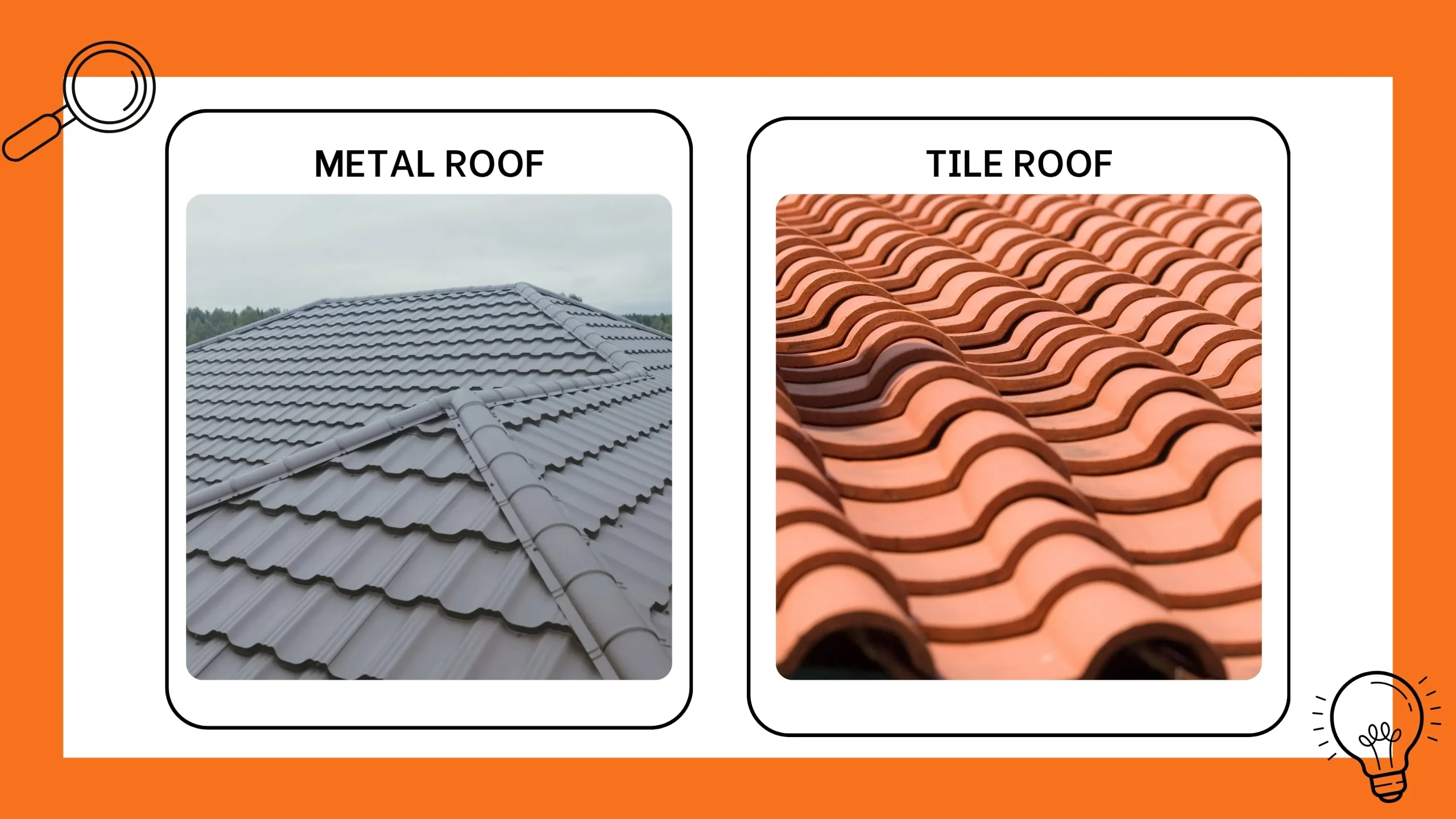
Metal Roof vs Tile Roof: Key Differences at a Glance
Replacing a roof is one of the biggest decisions you’ll make as a homeowner, and in Melbourne, the choice usually comes down to two options: stay with tiles or switch to Colorbond metal roofing. Both are widely used, both have genuine advantages, and both have trade-offs worth understanding before you commit.
This guide gives you an honest comparison across the factors that matter most: cost, lifespan, maintenance, structural load, weather performance, and appearance. By the end, you’ll have a clear picture of which material suits your home and your situation.
How Much Does Each Roof Actually Cost to Install and Maintain?
What does it cost to install a Colorbond or tile roof in Melbourne?
Upfront installation costs vary depending on roof size, pitch, complexity, and whether any structural work is required. As a general guide:
- Concrete tiles are typically the most affordable option per square metre installed
- Colorbond metal roofing sits in the mid-range, generally less than terracotta, and broadly comparable to concrete tiles, depending on the profile and roof complexity
- Terracotta tiles are usually the most expensive upfront, reflecting the material and labour cost of individual tile laying
These are starting points, not fixed prices. A steep or complex roof adds to labour costs regardless of material, and the only reliable figure is one from a qualified roof plumber who has assessed your specific home.
Which roof costs more to maintain over 10, 20 and 30 years?
This is where the comparison shifts considerably.
Tile roofs require ongoing maintenance. Individual tiles crack under hailstorms, heavy foot traffic during inspections, or age-related brittleness. Ridge capping needs re-bedding or re-pointing roughly every 10 years. Moss and lichen are a persistent issue on shaded Melbourne roofs, requiring periodic treatment and cleaning. Over 20 to 30 years, these costs accumulate steadily.
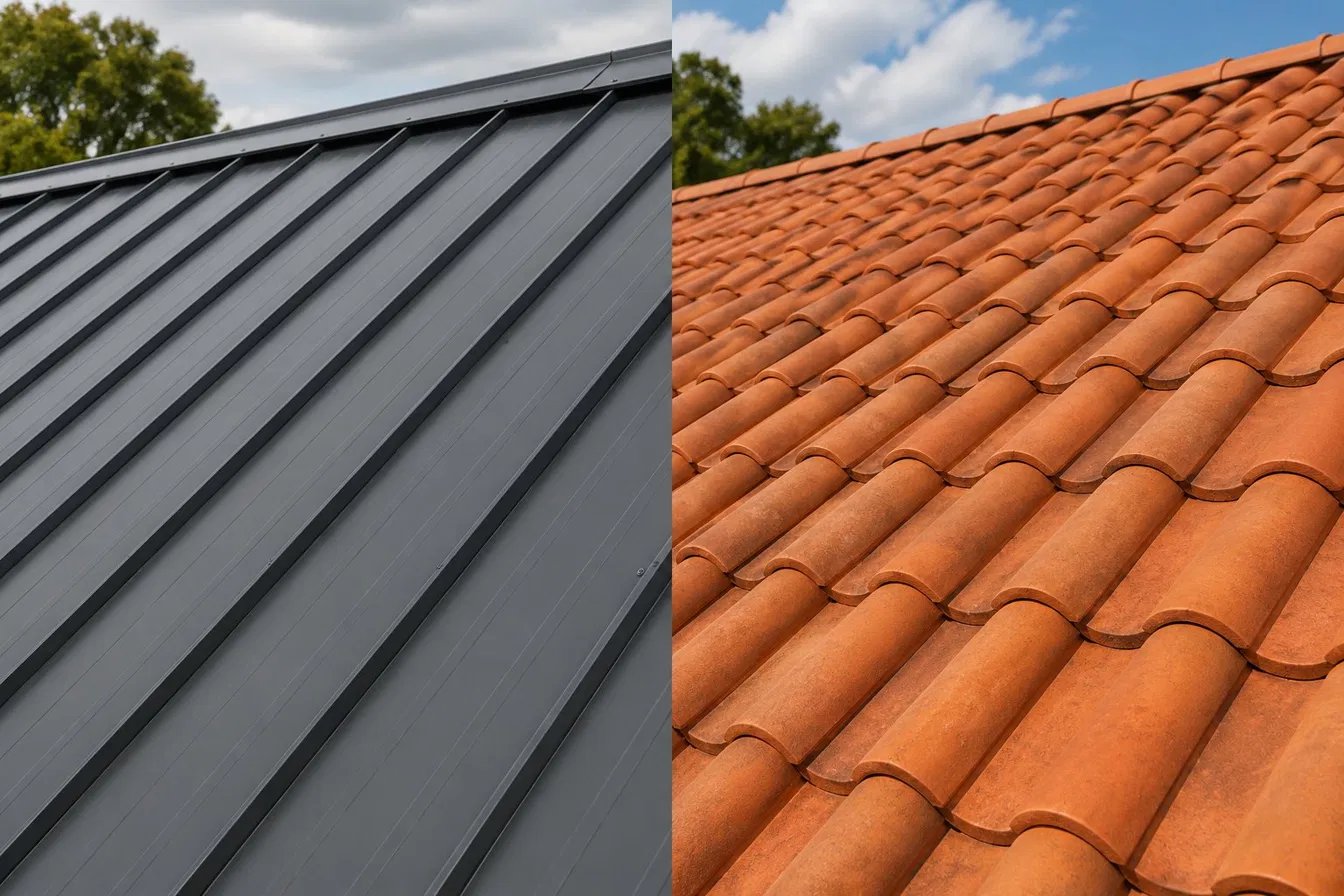
Which Roof Lasts Longer and Can Your Melbourne Home Handle the Weight?
How long do Colorbond and tile roofs actually last?
Each material offers solid longevity when properly installed and maintained:
- Colorbond steel roofing: 40 years or more, with well-maintained installations routinely reaching the upper end of that range
- Concrete tiles: 40 to 60 years – a similar floor to Colorbond, but with a tendency to absorb moss and surface staining that accelerates deterioration if not addressed
A Colorbond roof stays largely intact as a single system; an ageing tile roof gradually accumulates small failures – individual cracks, slipped tiles, repointing issues that require ongoing attention even on a structurally sound roof.
Why the weight difference matters more on older Melbourne homes
This is a factor many homeowners overlook until a structural engineer raises it.
Tile roofs are heavy. Concrete tiles weigh approximately 40 to 50 kg per square metre. Colorbond steel roofing weighs roughly 4 to 5 kg per square metre, a fraction of either tile type and a reduction of close to 90% when switching from tiles.
For newer homes built to current standards, this difference is rarely a structural concern. For older Melbourne homes, particularly pre-1980s weatherboard and brick veneer properties, the roof frame may not be designed to carry the load of a full tile replacement. If you’re retiling an older home, a structural assessment is worth doing first.
Switching from tiles to Colorbond, on the other hand, dramatically reduces load on the frame. For many older homes, it’s not just a practical choice, it’s the structurally safer one. It’s one of the reasons replacing a tile roof with Colorbond has become increasingly common across Melbourne’s established suburbs.
Which Roof Lasts Longer and Can Your Melbourne Home Handle the Weight?
Which roof handles Melbourne's climate better?
Melbourne’s climate puts roofs through a genuine workout: high UV exposure, summer temperatures regularly above 35°C, hailstorms that can arrive with little warning, and coastal salt exposure in bayside suburbs.
Colorbond steel is engineered specifically for Australian conditions. It handles wind uplift well, resists corrosion when correctly specified, and doesn’t develop the cracking vulnerabilities that come from heat cycling – the repeated expansion and contraction that gradually weakens tile adhesion and causes surface fractures over many years.
Tiles are more vulnerable to hail damage; a direct impact can crack or shatter individual tiles, requiring replacement. Colorbond can dent under severe hail, but a dent doesn’t compromise weather resistance the way a cracked tile does. Both materials carry risk; Colorbond’s failure mode is generally less disruptive and less costly to address.
Does a Colorbond roof keep your home cooler in summer?
The common assumption is that tiles are better insulators. In practice, neither material provides meaningful thermal insulation on its own; what matters is the insulation system beneath the roof cladding. With sarking and ceiling insulation installed correctly, a Colorbond roof can perform as well as, or better than, tiles thermally.
All Colorbond steel in the core Classic and Matt colour range, including darker colours, with the exception of Night Sky® – features BlueScope’s Thermatech® solar reflectance technology. Thermatech® increases the solar reflectance of the steel, helping keep the roof surface cooler on hot, sunny days and reducing heat transfer into the building below. This can reduce dependence on air conditioning during Melbourne’s summers, which is a meaningful ongoing saving given how frequently temperatures climb above 38°C.
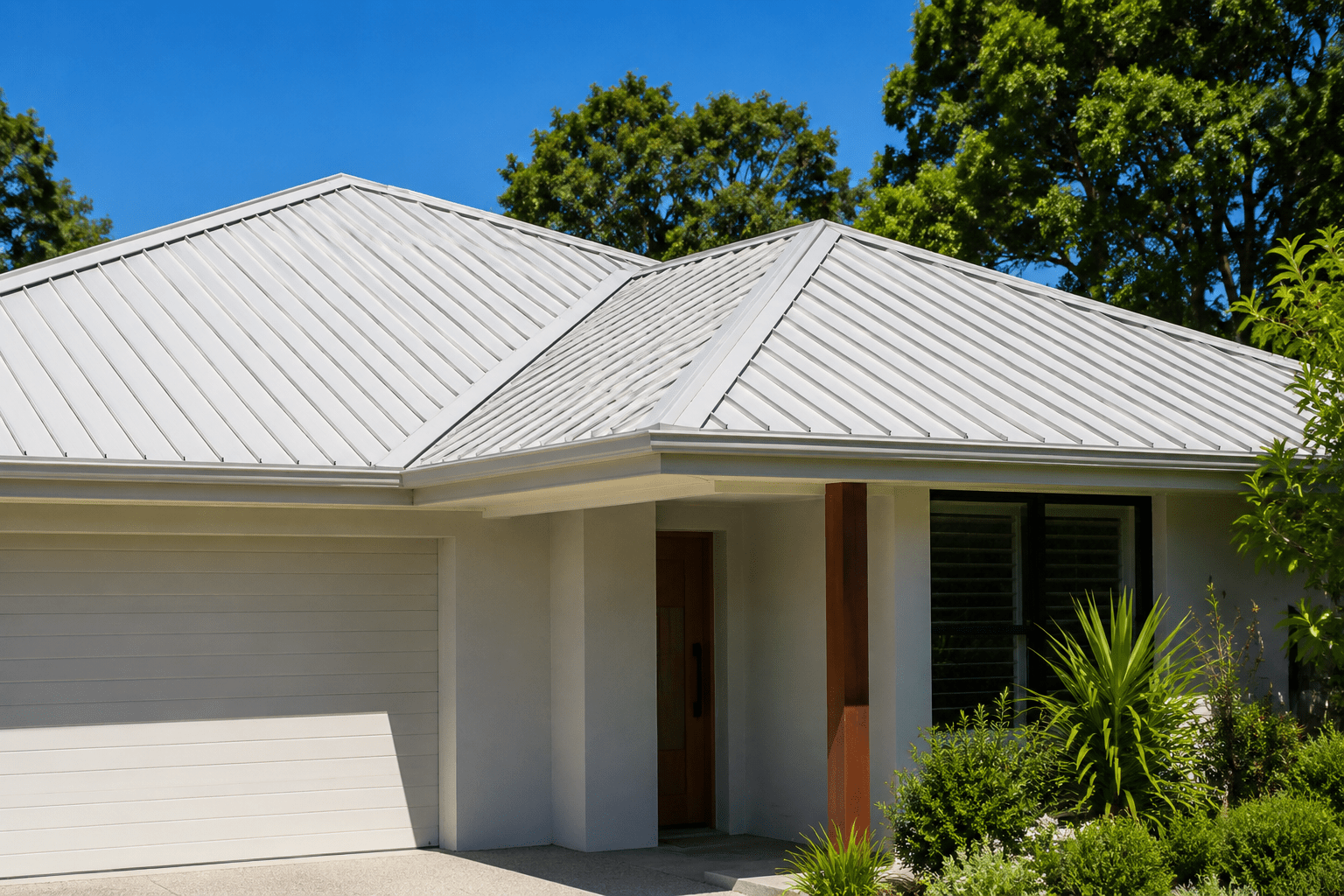
Is a metal roof actually noisy when it rains?
This is the most common concern raised about steel roofing, and it deserves a straight answer.
Without insulation, a Colorbond roof can be noticeably louder during heavy rain than a tile roof. That’s a fair criticism of poorly installed metal roofing. However, a correctly installed Colorbond roof with sarking and ceiling insulation in place produces rain noise broadly comparable to a tiled roof. The insulation absorbs much of the impact sound before it reaches the living areas below.
If rain noise is a concern, discuss the insulation specification with your roof plumber before work begins. The installation matters far more than the material itself.
Does Your Roof Material Affect Kerb Appeal and Resale Value?
Appearance is genuinely subjective, and it’s worth being honest about where each material has the advantage.
Colorbond suits contemporary, modern, and post-war Melbourne homes well. With 22 standard colours spanning deep charcoals, warm naturals, and classic whites, there’s flexibility for most residential styles. The clean profile reads as well-maintained and modern to most buyers, and a new Colorbond roof is generally viewed positively during the sales process. It signals low ongoing maintenance and strong remaining lifespan.
Tiles offer something metal roofing can’t easily replicate: texture, depth, and visual warmth. Replacing period detail with Colorbond can work visually, but it can also look at odds with the home’s character, and some Melbourne suburbs with heritage overlays may restrict material changes regardless.
From a resale perspective, the right choice depends on the home. A new Colorbond roof adds clear value on a standard suburban property. On a heritage or character home, retaining the original tile profile is usually the smarter move for presentation and buyer appeal alike.
When Tiles Are Still the Right Choice and When You Should Switch to Colorbond
Tiles remain the right choice in several specific situations. Your home may sit under a heritage overlay or council restriction requiring tiles. You might have a Federation, Victorian, or Californian bungalow where tiles are integral to the home’s architectural character. Your existing tile roof may be structurally sound and in reasonable condition, making restoration more cost-effective than full replacement. Or you may simply have a strong personal preference for the texture and appearance that tiles provide.
Outside of those situations, the case for Colorbond is strong. If your home is a standard post-war or contemporary suburban property, if your current tile roof is ageing or developing structural issues, if you’re concerned about load on an older frame, or if lower maintenance and long-term cost efficiency matter to you, metal roofing is the more practical choice for most Melbourne homeowners in a replacement scenario.
So, Which Roof Should You Choose for Your Melbourne Home?
For most Melbourne homes, Colorbond metal roofing wins the practical comparison. It offers a long, low-maintenance lifespan, handles Melbourne’s climate well, significantly reduces structural load, and delivers better cost efficiency when you look beyond the initial installation quote.
Tiles aren’t the wrong choice; they’re the right choice in the right context. Heritage homes, character properties, and homeowners with a genuine aesthetic preference for tiles have sound reasons to stick with them.
If you’re replacing an ageing tile roof on a standard Melbourne home, Colorbond is the stronger choice for most situations. Our Colorbond and metal roofing services page covers the full picture – profiles, colour options, and how the installation process works from inspection through to completion.